

Capsules
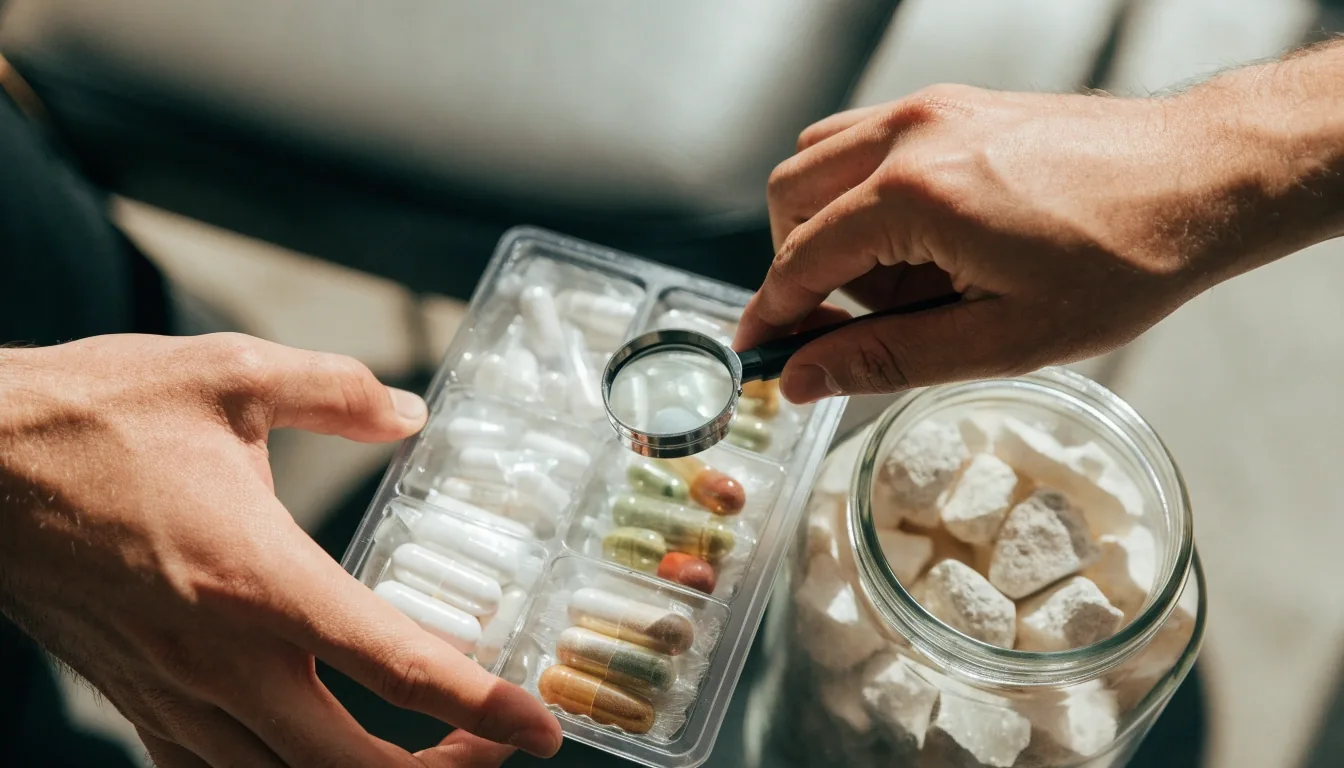
A capsule holds a larger mineral dose than a chew can, and it usually carries fewer sweeteners. Vitamin D and magnesium in the same daily serving are common in this format.
Jl. Diponegoro No. 27, Bandung Wetan
We are an editorial team working from Jl. Diponegoro No. 27 in Bandung Wetan, writing about natural supplements for men sold in Indonesia. Our work is simple: explain ingredients, compare formats, and help readers check whether a product is clearly labelled and properly registered.
Who runs this site
Perkasa Indo Wellness is run by a small editorial group in Bandung that focuses on consumer education for men's nutrition products. We are not a retailer, and nothing on this site is sold through us. The address on our contact page is a real office, not a placeholder, and you can reach the team by phone or email during working hours.
We publish corrections when readers point out something we got wrong, and we keep a short record of what changed on a page. If you want to know who wrote a particular page, ask us and we will tell you. Editorial decisions sit with the people who write the pages, and nobody pays us to place a product inside a guide.
Office
Jl. Diponegoro No. 27, Citarum, Bandung Wetan, Bandung, 40115
Phone
+62 22 721 9593
Working hours
Monday to Friday, 09:00–18:00

Why we chose this niche
Men's supplement shelves in Indonesia have grown crowded, and the language on packaging has grown louder at the same time. Guardian Indonesia, the Vitamin Shoppe men's category, and local marketplace listings mix mainstream multivitamins with benefit-focused formulas, and shoppers are left to sort it out on their own.
We think the sorting is the useful part. So we write about what is inside the capsule rather than what is printed on the box, and we keep the language level with the evidence a label actually gives you.
How we research a product category
Every guide on this site follows the same working order. It starts with what you can physically check on the pack, then places the product in the shelf it actually sits on, because category placement tells you who the formula was built for.
Step one
Read the label
Ingredient list, serving size, format, and registration details. We note what the pack states per serving, whether a botanical is standardised or simply listed, and whether the label tells you enough to compare it with the product beside it.
Step two
Place it in its category
A broad multivitamin line such as GNC's men's health range is organised differently from a single vitality formula, and that difference is worth describing. Category tells you the intended daily use; the label tells you whether the formula supports it.
Step three
Check the retail route
Pharmacy-style outlets and established retail chains give you a person to ask and a record to trace. An anonymous marketplace listing rarely does. Where a listing gives no seller detail and no storage advice, we say so plainly instead of filling the gap.
Step four
Compare wording, then write
We do not rely on manufacturer marketing copy as a source for what a nutrient does. We compare how several brands describe the same ingredient, and then write only the part that holds up across all of them.
Our standards for ingredient claims
We state
Saw palmetto is a familiar botanical in men's blends, and we say exactly that without stretching it further. Vitamin D, magnesium, and zinc get the same treatment: what they support in normal nutrition, and the serving size the label provides.
Where a formula serves everyday vitamins and minerals for men, we describe it as daily nutritional support and leave it there.
We leave out
Outcome promises, timelines, and the kind of phrasing that turns a nutrient into a result. If a claim cannot be stated plainly from the label and the ordinary role of the nutrient, we drop the sentence rather than soften it into something vague.
That rule holds whether a line is popular or not. It is also why our guides read shorter than a product page.
Where the two checks agree, that is the sentence we keep.

What we look for in quality signals
BPOM RI registration is the first checkpoint we mention to readers, because Indonesian shopping guidance itself points buyers there. After that we read the pack in three passes.
Registration zone
The registration number is stated on the pack and can be looked up. A product that hides it, or prints it only inside a marketplace listing, is harder to check and we mark that in the write-up.
Nutrient zone
Label clarity and the honesty of the serving size. We check whether the amount shown matches what one dose actually delivers, and whether the format can physically hold that dose.
Retail and storage zone
Whether the retailer is a pharmacy-style outlet or an anonymous listing, and what the pack says about storage. Many products say less about storage than they should. A product that is easy to verify tends to be a product worth considering.
Formats we cover and why
Capsules, tablets, gummies, and powders all appear in the men's category, and each has practical limits. We cover format because it changes what a formula can realistically contain and how it fits into a day.
A capsule holds a larger mineral dose than a chew can, and it usually carries fewer sweeteners. Vitamin D and magnesium in the same daily serving are common in this format.

A pressed tablet carries dense mineral content well and keeps for a long time on the shelf. It is also the format where a split serving line actually helps you control the dose.
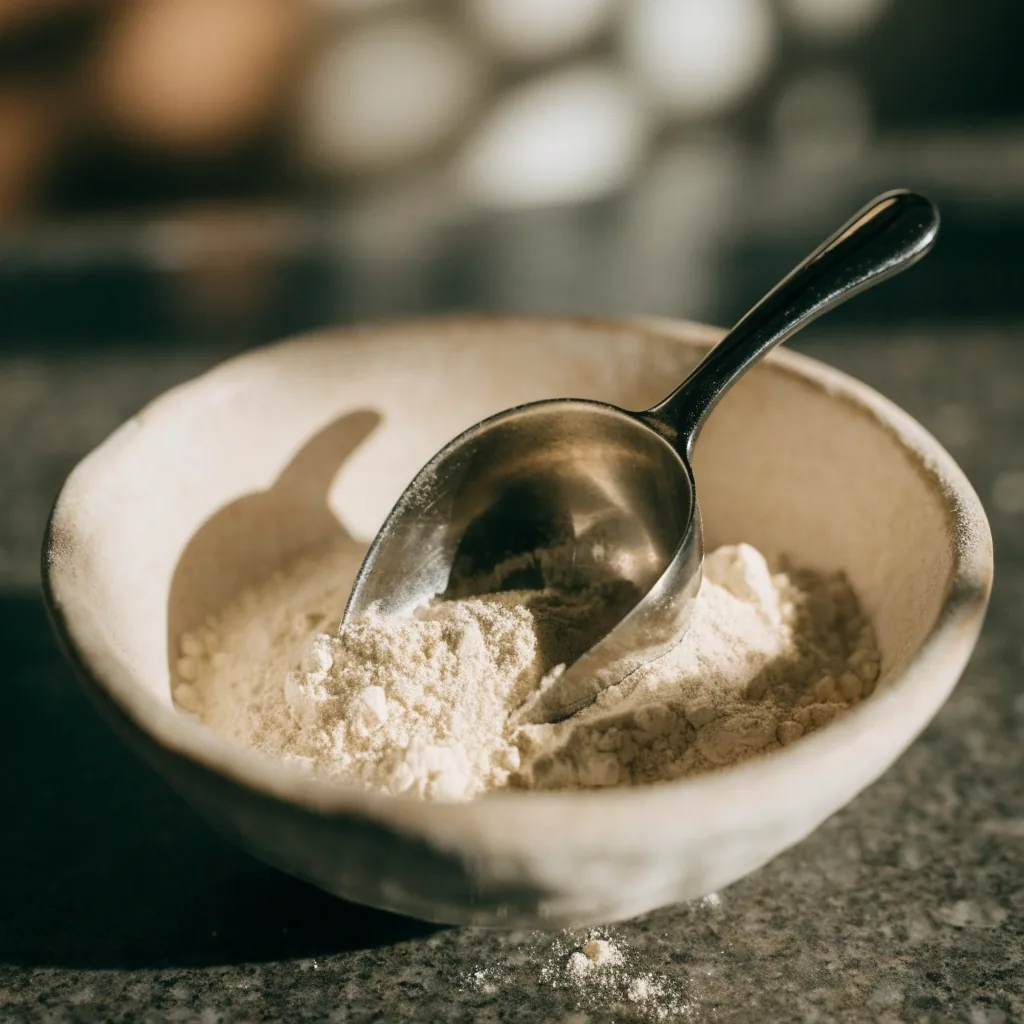
Nature Made's gummy multi shows that a soft chew can still carry meaningful magnesium, calcium, and B vitamin content. What it cannot do is hold the large mineral doses a capsule handles easily. Powders sit at the other end: flexible to measure, less convenient to carry.
We do not give personalised health advice, and we do not tell you to stop or start anything a qualified professional has recommended. We do not publish invented ratings, made-up user numbers, or reviews we cannot verify. Our pages describe products and ingredients, and they are written for general reading about healthy lifestyle products.
Nothing here is a substitute for advice from a qualified professional who knows your situation. Decisions about your own routine belong with you and the person you consult. We also state plainly that the products we write about are dietary supplements, not medicines.
If a product listing we describe changes, tell us and we will update the page. Retailers revise their assortments often, and Guardian's men's health page alone has been refreshed more than once. Reader corrections are the fastest way we catch those changes. Email is the best route, and we read everything that arrives.
Contact the Editorial TeamOur guides cover everyday natural supplements for men, the vitamins and minerals for men that appear most often on Indonesian shelves, and the practical checks that make a label readable. Start with the quality guide, or write to the editorial team if a page needs a correction.